
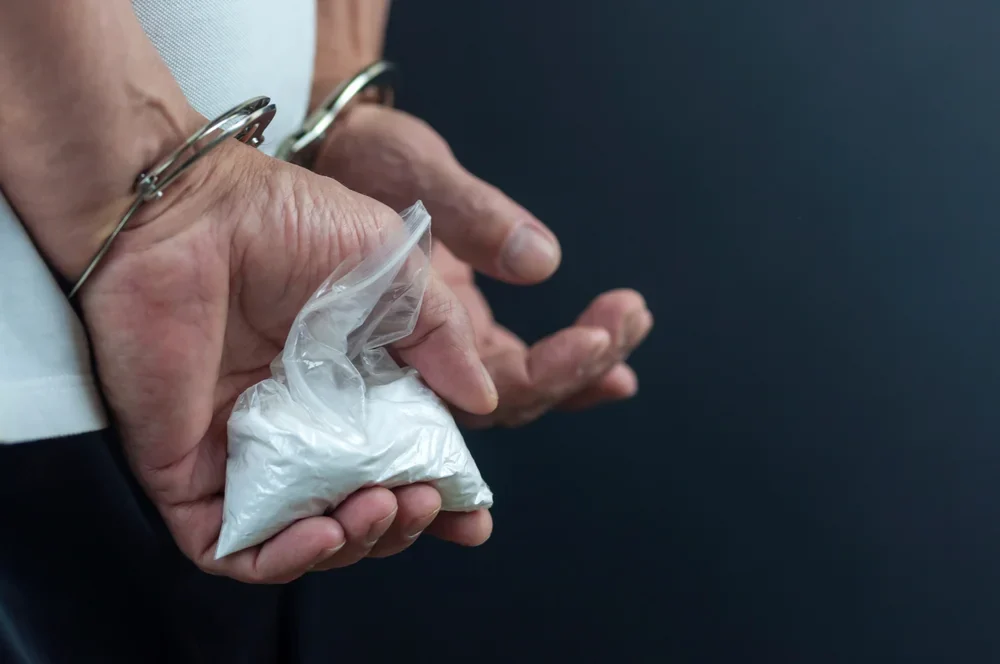
In a case reported in 2023, police discovered as much as 120 kilograms of cocaine inside a shipping container at Port Botany in Sydney, with an estimated black-market value of approximately AUD 60 million. A 19-year-old man was later charged with serious drug trafficking and drug supply offences.
Background and Discovery
At around 11:00 pm on 25 May 2023, police responded to a report of a suspected break-in at a logistics company and arrested a 27-year-old man at the scene. Another man allegedly fled from the premises at the time.
The 27-year-old man was taken to Newtown Police Station and charged with entering enclosed lands, assault, assault occasioning actual bodily harm, and intentionally or recklessly destroying or damaging property.
The Australian Border Force later inspected the relevant shipping container and discovered 120 blocks of cocaine, each weighing one kilogram.
Drug Trafficking Investigation
The matter was subsequently taken over by Strike Force Biles, a specialist task force responsible for investigating large-scale prohibited drug supply and drug trafficking offences.
Police stated that this was a typical method of concealing drugs within legitimate cargo. Such cargo may include furniture, building materials, fabrics, food products, and other goods. Transport companies and lawful consignees are often completely unaware of the drugs and may unintentionally become “carriers” in drug trafficking operations.
Charges and Subsequent Search
Police later searched a residential property and found tools that may have been used to open the shipping container, including crowbars, gloves, and bags.
A 19-year-old man was arrested and charged with allegedly supplying a large commercial quantity of a prohibited drug and possessing a border-controlled drug above the legal threshold with intent.
The two men arrested in connection with the matter were both from Greece and were allegedly involved in “ripping” drugs on behalf of a local criminal group.
Drug Trafficking and Drug Supply Are Serious Offences in New South Wales
As at 2026, supplying a prohibited drug remains a serious criminal offence in New South Wales under section 25 of the Drug Misuse and Trafficking Act 1985 (NSW).
Although the legal term commonly used in NSW legislation is “supply,” many people refer to these offences more generally as drug trafficking. Drug trafficking cases often involve allegations of selling, transporting, distributing, importing, or assisting in the movement of prohibited drugs.
To establish a drug supply offence, the prosecution must generally prove the following elements:
- the accused supplied a substance, or knowingly took part in its supply;
- the substance was a prohibited drug under the law; and
- the accused knew or believed at the time that the substance was a prohibited drug.
What Does “Supply” Mean in a Drug Trafficking Case?
In law, “supply” is not limited to selling drugs. It may also include the following conduct:
- selling or distributing;
- agreeing or offering to supply;
- keeping or possessing drugs for the purpose of supply;
- sending, transferring, delivering, or receiving drugs; and
- authorising, directing, assisting, permitting, or attempting any of the above conduct.
Even involvement in just one step of the supply process, such as providing money, premises, or logistical arrangements, may amount to “knowingly taking part in supply.”
What Drug Quantities Are Considered a “Commercial Quantity”?
In New South Wales, drug quantity thresholds vary depending on the substance. Common examples of commercial quantity thresholds include:
| Drug type | Commercial quantity threshold |
| Ecstasy / MDMA | 500 grams |
| Cocaine | 1 kilogram |
| Ice / methamphetamine | 1 kilogram |
| Heroin | 1 kilogram |
| Cannabis | 100 kilograms |
Because drug laws and quantity schedules may be amended, anyone facing a drug trafficking investigation or drug supply charge should obtain current legal advice based on the exact substance and amount alleged.
What Is the Maximum Penalty for Large-Scale Drug Trafficking?
If a person is convicted of supplying a “large commercial quantity” of a prohibited drug, the maximum penalty may be life imprisonment and a fine of up to 5,000 penalty units.
As at 2026, one NSW penalty unit is AUD 110. This means that a fine of 5,000 penalty units may amount to a maximum fine of AUD 550,000.
What Legal Defences May Be Raised in Drug Trafficking Cases?
In these types of cases, in addition to general defences such as self-defence and necessity, “duress” is one of the most commonly raised arguments.
A defence of duress may be available where it can be shown that:
- the accused or a family member was threatened with death or serious injury;
- there was no other reasonable way to avoid the threat at the time; and
- the accused’s actions were a reasonable response to that threat.
Charged with Drug Trafficking? Seek Professional Legal Assistance Immediately
Whether you are being investigated or prosecuted for alleged drug possession, drug trafficking, drug supply, or drug use, it is crucial to seek advice from an experienced criminal defence lawyer as early as possible.
The legal team led by lawyer Jenny Xu has extensive experience in drug-related matters and can provide strong legal support and strategic advice.
Contact Jenny Xu today and let an experienced legal team help you pursue the best possible outcome while protecting your rights and interests.
Disclaimer: The above content is for general informational purposes only and should not be regarded as legal advice. The information provided may change over time. You should always seek professional advice before taking any action.